

Diesel-Storage Hybrid Microgrid Customization
microgrid engineering combining diesel generation with battery storage for off-grid mining sites, oilfields and construction camps with unreliable fuel supply.

Diesel-storage hybrid: cutting 20%–40% off your fuel bill
Diesel generation has a deceptive cost structure: the machine is cheap to buy and expensive to run, with fuel, overhaul and delivery dominating lifetime spend. The hybrid approach is deliberately simple — let storage absorb instantaneous swings and short peaks so the genset only carries average power inside its efficient band, and shut it down entirely at light load. Most sites land between twenty and forty percent fuel savings, with noticeably longer service intervals.
- 20%–40%Typical fuel saving
- −30% to −50%Reduction in annual genset running hours
- 60%–75%Target genset loading band
- below 20 msTransfer between engine and battery
1. Why pair storage with a genset
Engines dislike three things: light load, frequent starts and being hammered by inrush. Storage addresses each one directly.
Genset only
Simple, but expensive over a lifetime.
- Must be sized for maximum load
- Specific fuel consumption rises sharply at light load; carbon builds up
- Overhauls follow running hours, so more hours mean more cost
Diesel plus storage
The best transition for most owners.
- Engine can be sized for average load
- Inrush is absorbed by the battery, no more hunting
- Full shutdown possible during low-load periods
Diesel plus storage plus PV
Preferred where landed fuel is expensive.
- Near-zero fuel burn during daylight
- Annual genset hours drop again
- The engine becomes genuinely standby equipment
2. Six engineering essentials
Start/stop rules and minimum run time
Trigger on SOC thresholds but enforce minimum run time and minimum loading, avoiding short cycling and its wear penalty.
Second-to-second swings belong to storage
Motor starts, welders and pump-jack pulses are handled by the battery; the engine only responds to changes above the minute scale.
Loading optimization
Hold the engine at 60%–75% loading: add charging demand when it runs low, add battery power when it runs high.
Black start and island operation
Grid-forming storage energises the bus and supports black start; when the utility fails the site forms an island without dropping critical load.
Heat, altitude and dust
Derate for altitude, design cooling for ambient extremes and tighten filtration plus service intervals for dusty sites.
Remote O&M and fuel accounting
Log litres, engine hours, start count and SOC curves together so every optimization is evidence-based.
3. Estimating the fuel benefit
Specific consumption rises sharply at low loading — that is precisely why storage pays
Use your true price — never the landing price alone. Add secondary haulage, storage losses and handling labour; at remote sites the effective price runs far above the nominal one.
4. Configuration reference
| Scenario | Existing genset | Suggested storage | Control focus |
|---|---|---|---|
| Construction site / camp | 200–500 kW | 250–500 kW / 0.5–1 MWh | Night shutdown, inrush absorption |
| Oilfield well / pipeline node | 100–400 kW | 125–500 kW / 0.5–2 MWh | Cyclic pump loads, unattended operation |
| Mining camp | 1–5 MW | 1–5 MW / 2–10 MWh | Altitude derating, engine coordination |
| Island / resort | 300 kW–1 MW | 300 kW–1 MW / 1–4 MWh | Quiet hours and environmental limits |
5. Recommended platforms
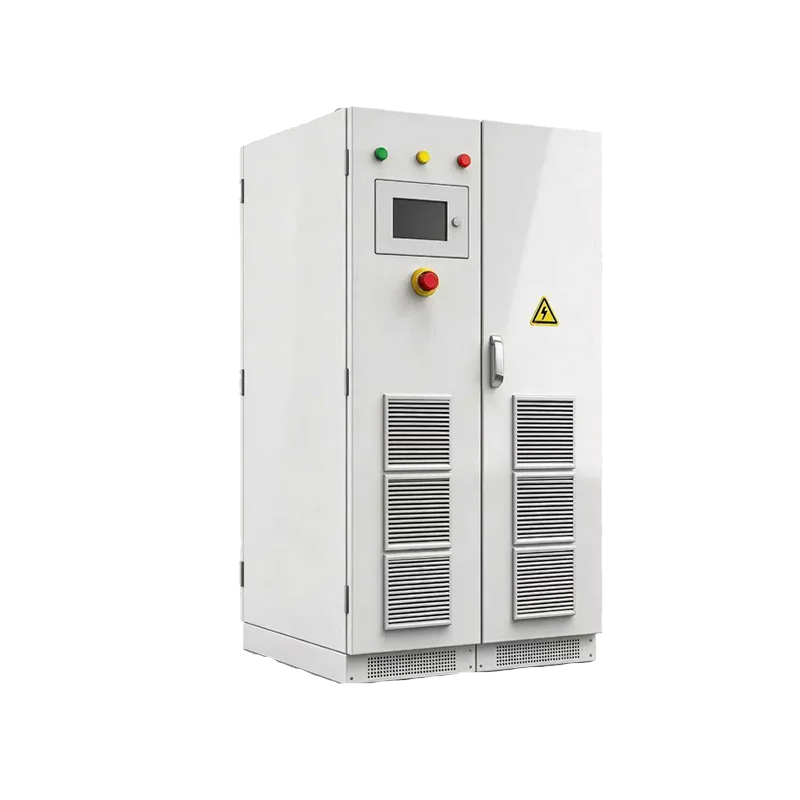
Main hybrid unit
- IntegrationPCS + MPPT + EMS + transfer + distribution
- Genset interfaceConnection and control supported
- IsolationBuilt-in transformer
- EnclosureIP54
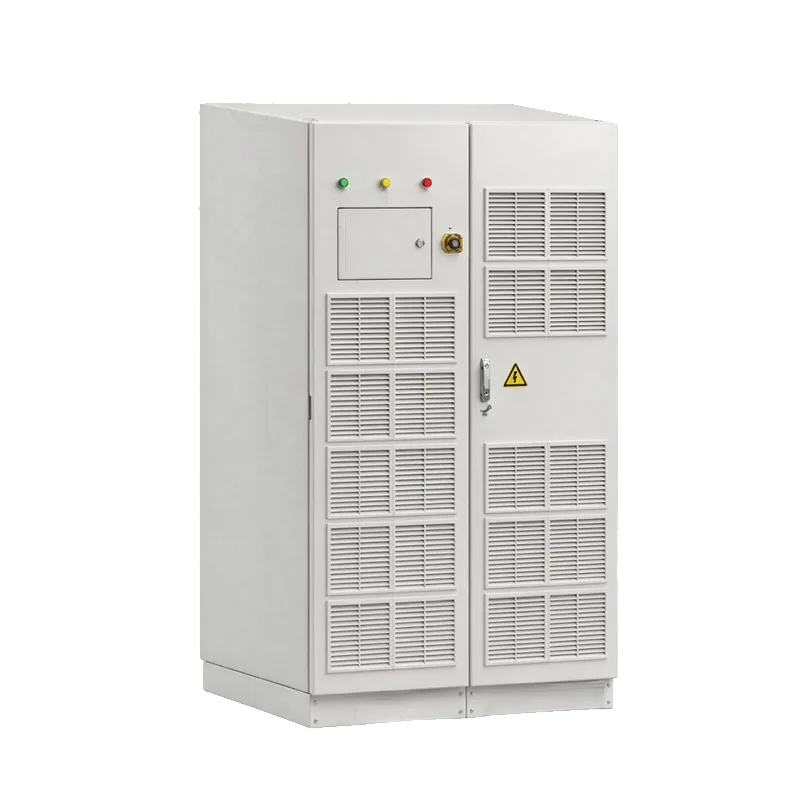
High-power hybrid cabinet
- Rated power750 kVA (500/625 kVA variants)
- InterfacesGrid / genset / battery / PV
- ParallelingMultiple cabinets
- Use caseStandby power, hybrid sites, construction
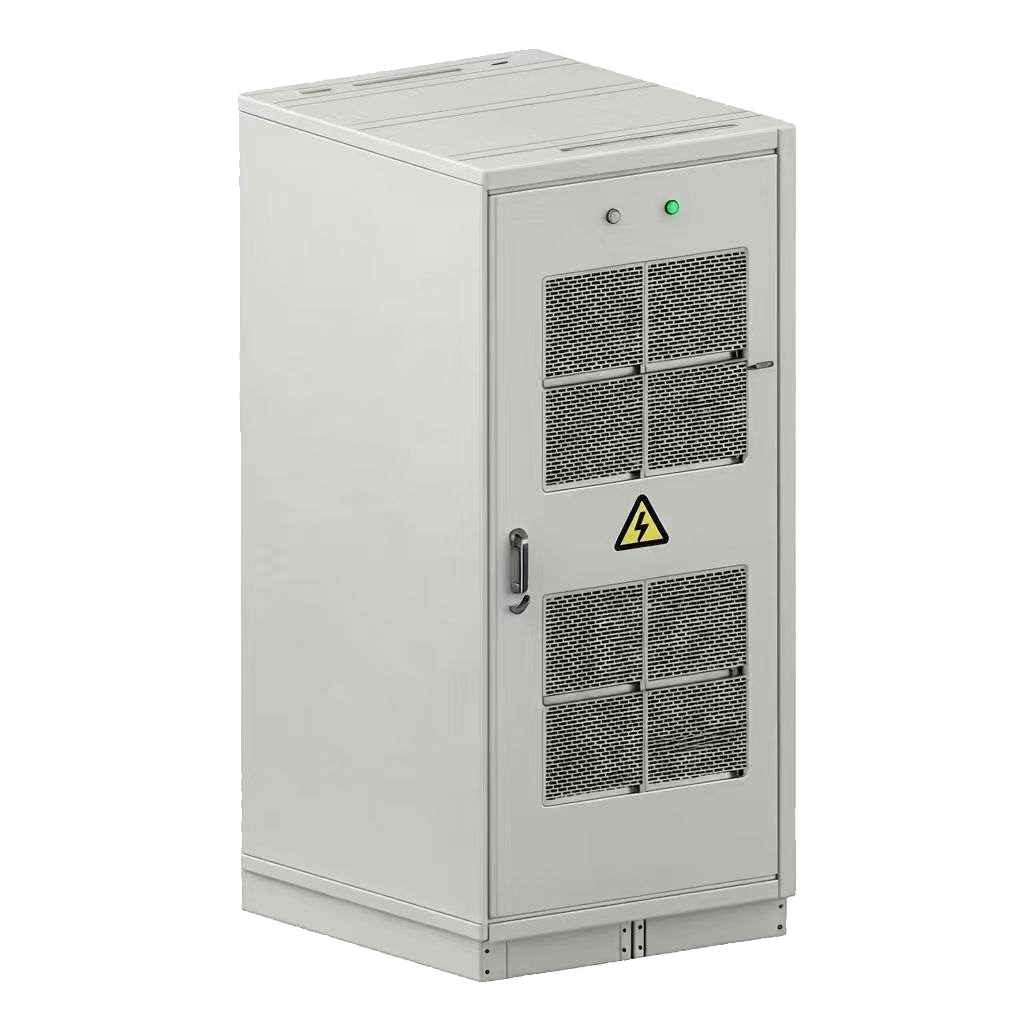
Transfer integrated cabinet
- TransferHybrid solid-state seamless switching
- IntegrationIsolator plus surge protection
- GensetHybrid operation management
- PurposePower flow control in large hybrid sites
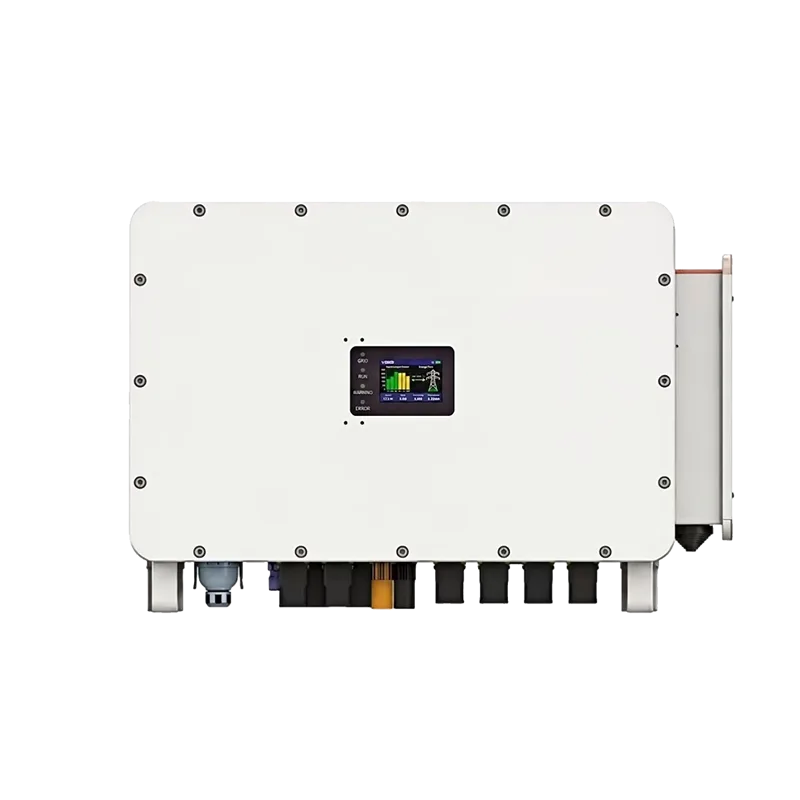
Wall-mounted storage converter
- ProtectionIP65
- InputDual AC input with ATS
- FeatureInternal transfer plus genset hybrid
- MountingWall-mounted for tight sites
6. Delivery sequence
Fuel baseline
At least three months of running hours, litres consumed and loading distribution.
Load and inrush list
Power and duration of motors, welders, pump jacks and similar loads.
Hybrid strategy
Threshold values, loading target, economic window and islanding logic.
Interface adaptation
ATS, governor interface and metering for the existing genset.
Install and test
FAT, black start, island transfer and parallel engine running tests.
Six-month review
Compare measured litres against baseline and fine-tune thresholds.
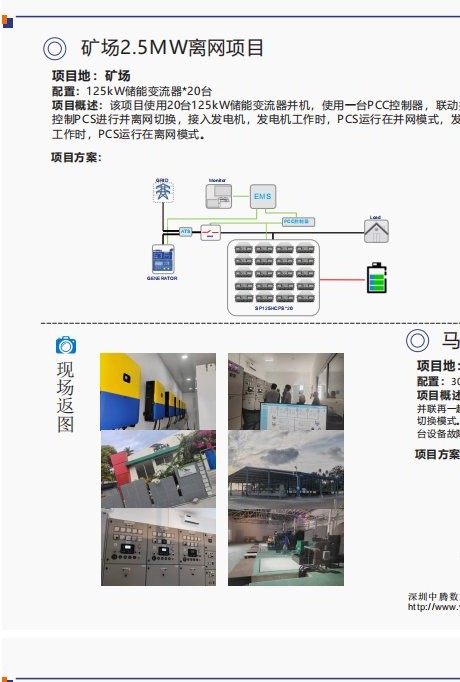
7. Sites in service



8. Frequently asked
Do we have to replace the existing genset?
Rarely. We adapt its interface and control so it runs in its efficient band. Replacement only makes sense when the machine is near overhaul age and its fuel curve has clearly degraded.
Does storage work in sub-zero sites?
Yes, with a heated and insulated battery enclosure and winter power limits. Give us the minimum ambient temperature and how long it persists.
Will the engine and battery fight over load?
Not if droop and power sharing are tuned. We run step tests with the genset and storage in parallel and verify against recorded waveforms.
Can you guarantee the fuel saving?
The saving depends on your load shape and engine characteristic. We quote a calculated range from measured data, then verify it against real consumption six months after commissioning.
Send three months of fuel records
Share genset model, litres and running hours plus your true monthly fuel price; we return a verifiable saving estimate and configuration.
Request a diesel hybrid proposalNo products in this category yet — product series are being published. Enquire for the full range.